In 2021, amidst the COVID-19 pandemic, our team had the unique opportunity to work on the Peru Unit of Transformers: The Rise of the Beasts. Initially, our job involved overseeing health and safety protocols for filming locations, warehouses, hotels, and scouts. However, it quickly expanded to include security for the two main actors and handling extreme situations, including high altitudes, extreme heat, venomous animals, and explosive and drifting stunts with the 2nd Unit. In this blog post, we share our experiences, challenges, and learnings from this remarkable job.
Preparing for the Worst
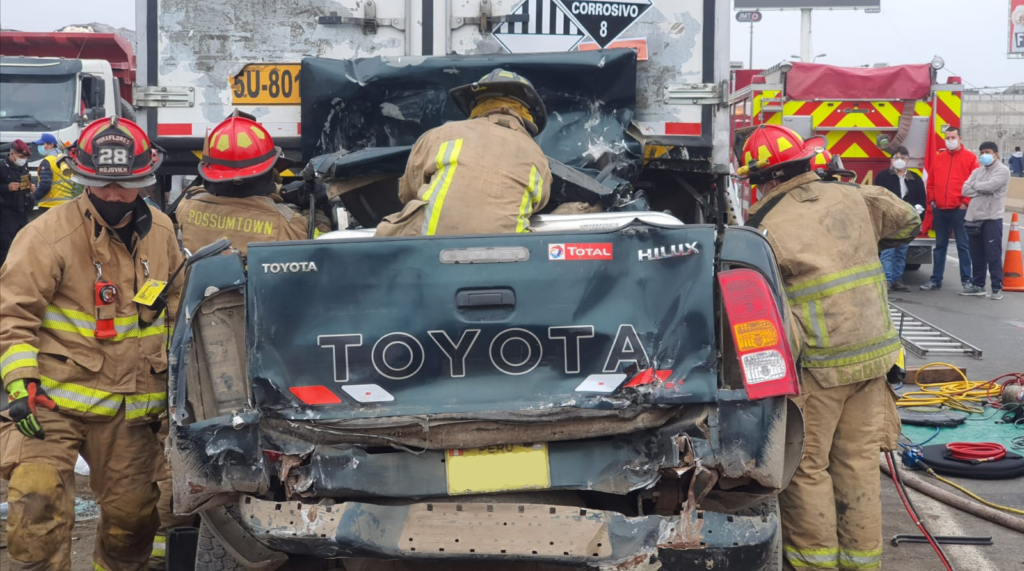
The nature of our job required us to anticipate and prepare for any possible situation, from food poisoning to vehicular accidents in challenging terrain. We developed protocols for worst-case scenarios, including MEDEVAC procedures, extrication, trauma, and rescue rope operations. We worked closely with other departments, including stunts, visual effects, special effects, drones, production, transport, location, and ADs, to ensure seamless coordination and execution.
Collaboration is Key
Our success in managing health and safety protocols in such a complex and challenging job was primarily due to collaboration between departments. Every department played a crucial role in ensuring the safety and well-being of the crew and actors. Communication and cooperation were essential, and everyone was trained and ready to act promptly in case of an emergency.
Facing Unprecedented Challenges
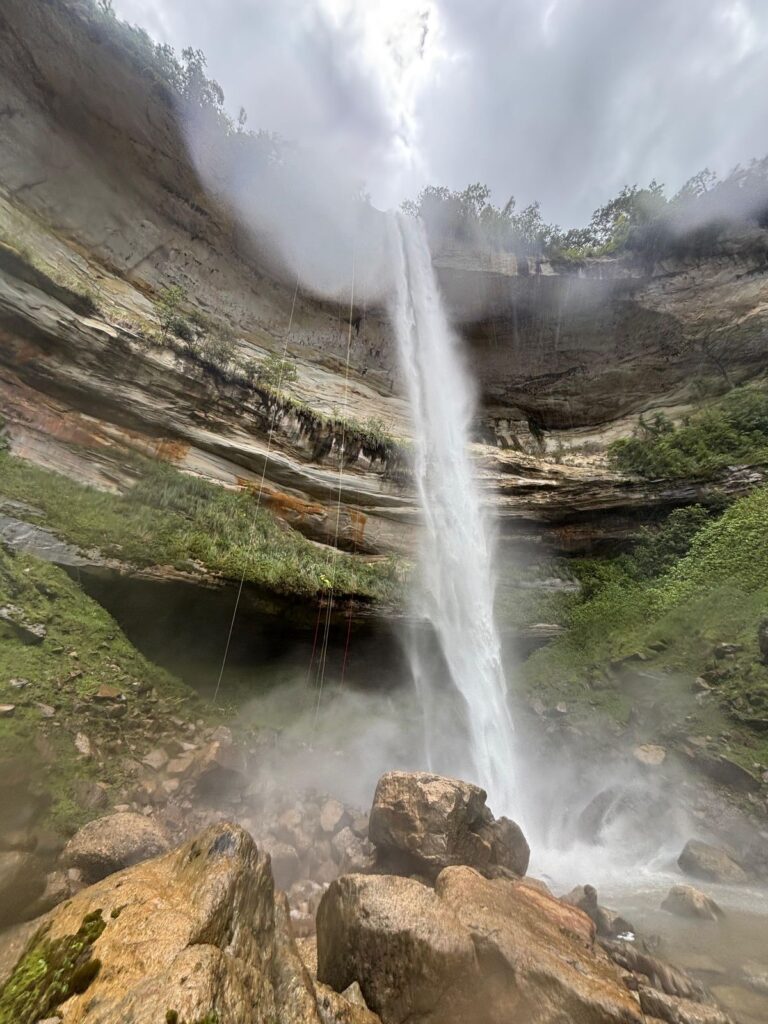
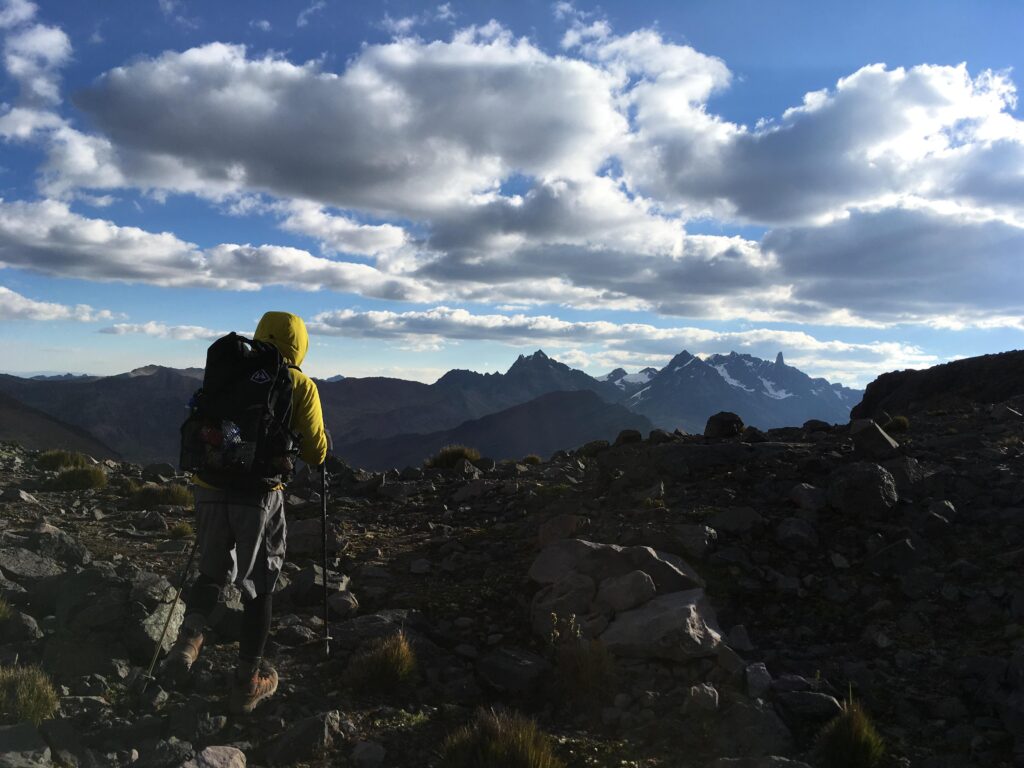
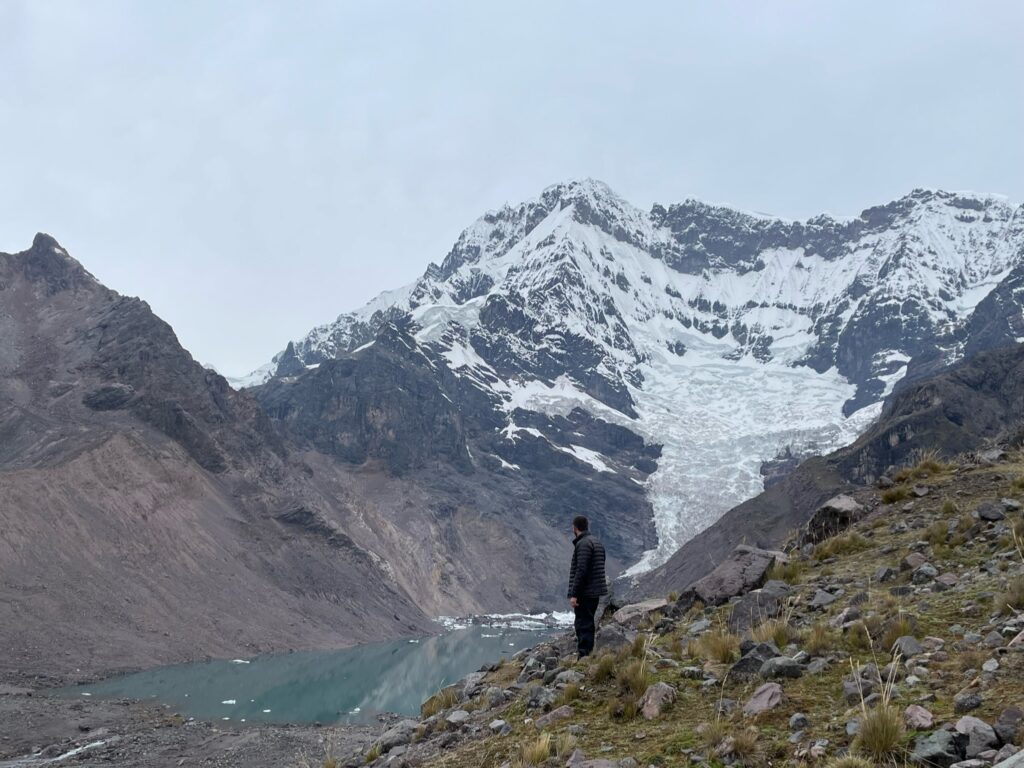
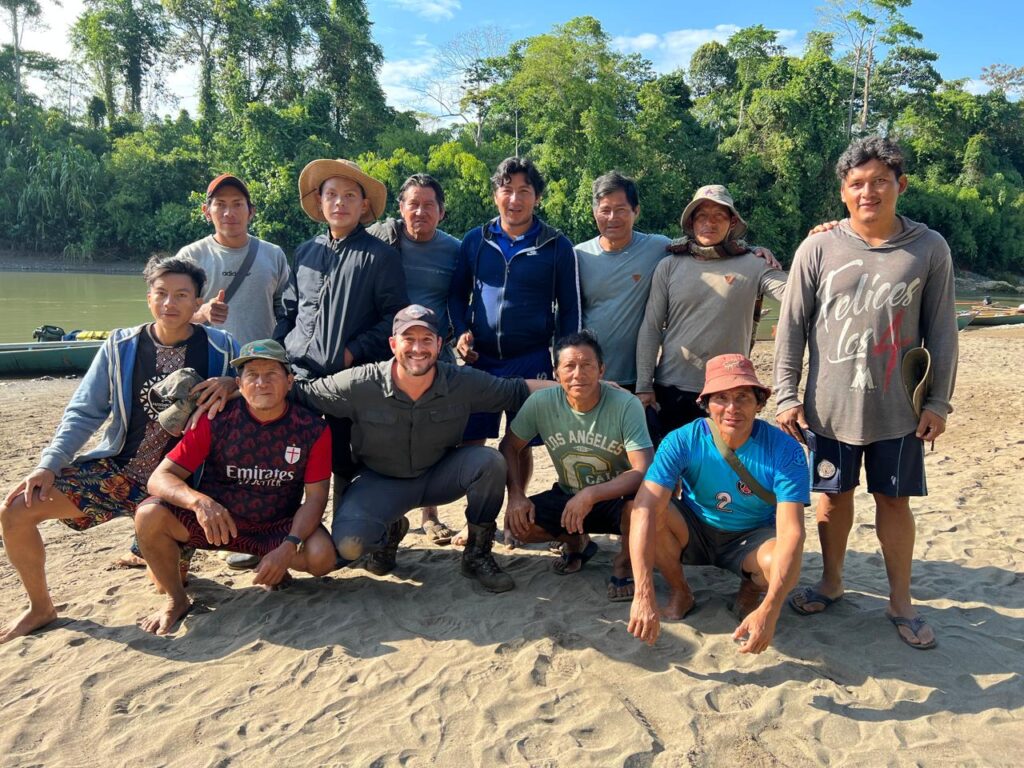
Filming in remote and challenging locations presented numerous difficulties, including high altitude, extreme heat, and venomous animals. We hiked to hard-to-reach locations to determine resources available and necessary to ensure the best preparation possible. Despite the challenging circumstances, our team remained focused on providing the best care possible.
COVID-19 Response
One of the most critical challenges we faced was managing and evacuating a critically ill COVID-19 patient right at the beginning of the project, who ended up being the first case registered in Peru with the Indian variant. This patient had multiple comorbidities and spent 46 days on a ventilator. Our swift response and coordination with the Health Ministry of Peru for contact tracing were crucial in ensuring his survival.
Extreme Situations and Wildlife Management
We evacuated a case of thyroid storm from the middle of the jungle and managed other extreme situations like heat stroke. Additionally, we wrangled 11 venomous snakes, several Brazilian wandering spiders, scorpions, and multiple Lonomia ssp caterpillars from filming locations, ensuring the safety of everyone on set.
High-Risk Stunts
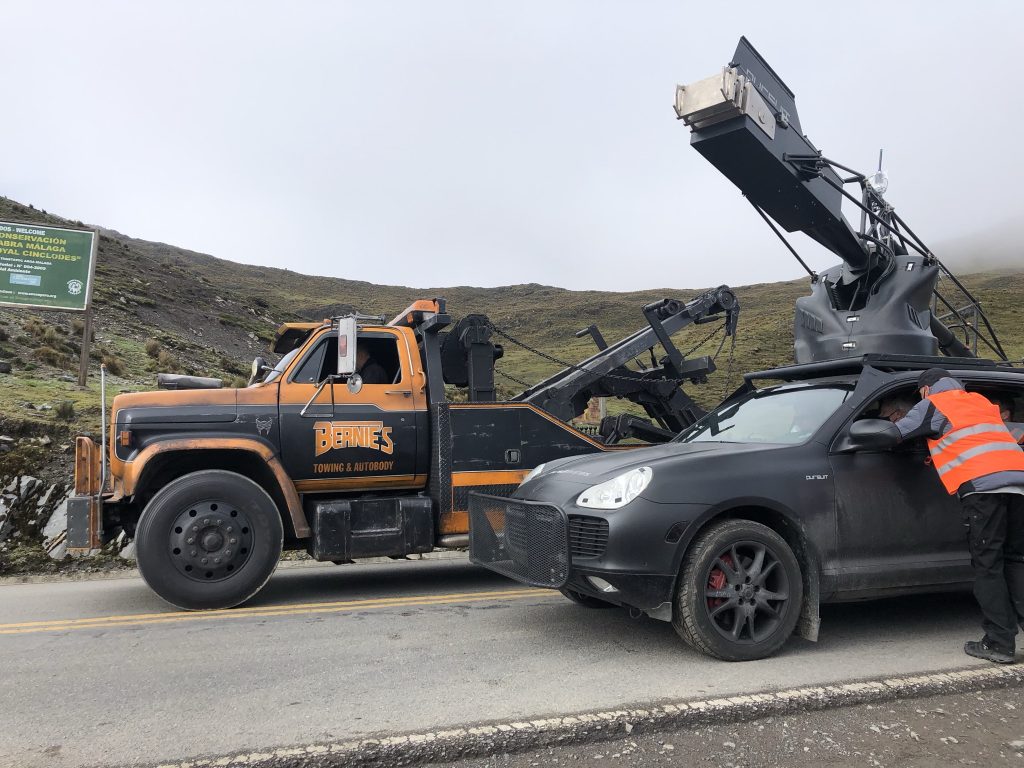
We spent 2-3 weeks in Abra Malaga, a 27 km switchback road with its highest point at 5200 meters above sea level, managing stunts with drivers drifting close to 200-500 feet deep cliffs. This required us to build a comprehensive team of rope, mountain, vehicular, and fire rescue experts, distributed into three teams:
- Team Alpha: Equipped with a medical response truck, rope, fire, and vehicular rescue equipment (including the “jaws of life”), and a several-ton tow truck used as an anchoring system for descent in case someone went down a cliff during the stunt maneuvers. This team was always with the main crew, including the Director, Stunts Coordinator, First AD, and all the people directly involved in making the movie.
- Teams Bravo and Charlie: Both teams were also equipped with medical and rescue response capabilities and were strategically positioned at distances on both sides of the set, which spanned miles of road where the stunt maneuvers were held.
In addition, at the end of the Second Unit, we supported a significant explosion stunt in the same location, deploying a fire hazard rapid response team strategically positioned to ensure safety.
Due to the distance, difficulty in access, and risk of the maneuvers, we had a standby helicopter response team positioned down the valley, in direct communication with us via satellite phone and radio. The helicopter was adapted to carry and evacuate patients, providing a critical safety net for the operation.
Conclusion
Our experience working on Transformers: The Rise of the Beasts was both challenging and rewarding. It taught us the importance of preparation, collaboration, and adaptability in managing health and safety protocols in unprecedented circumstances. Despite the numerous challenges we faced, we were able to ensure the safety and well-being of the crew and actors, and the job was completed successfully.
Although 6 Elements did not exist during this project, the experiences and challenges we faced inspired the concept and spirit of our company. This project confirmed our capabilities and motivated us to expand our services, making us unstoppable together.
We hope our experience provides insights and inspiration for others facing similar challenges.
Best regards,